
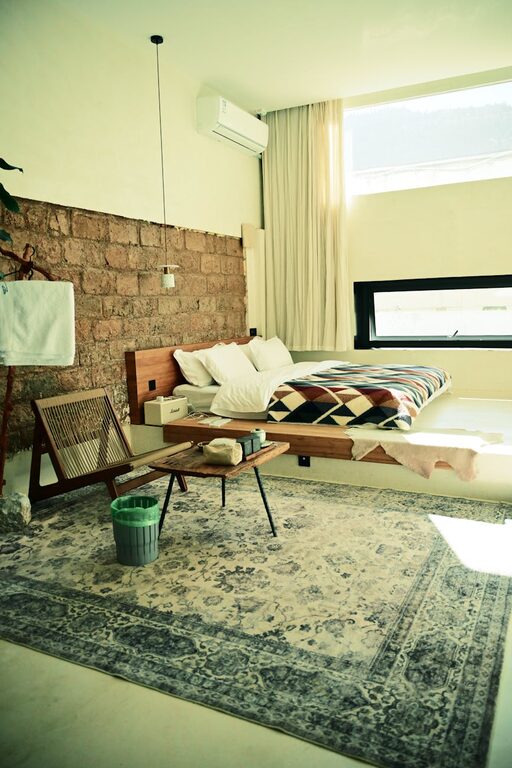
Creating a peaceful environment at home is important for relaxation, productivity, and overall well-being. Noise from outside or within the house can be distracting and sometimes stressful. Fortunately, there are several simple and practical ways to reduce noise at home without undertaking major renovations.
In this post, we’ll explore effective tips and strategies you can use to lower noise levels and enjoy a calmer, quieter living space.
Understanding Common Sources of Noise at Home
Before you start, it helps to identify where the noise is coming from. Common sources include:
– Traffic and street noise from outside
– Loud neighbors or communal areas in apartments
– Household appliances like washing machines or vacuum cleaners
– TVs, radios, and conversations
– Pets and children
– Outdoor elements like wind or animals
Knowing the main noise sources helps you choose the most suitable approaches to reduce sound.
Simple Ways to Reduce Noise Indoors
1. Use Soft Furnishings to Absorb Sound
Hard surfaces reflect sound, increasing noise levels. Adding soft materials helps absorb sound waves. Consider:
– Throw rugs or carpets to cover hard floors
– Cushions, sofas, and upholstered chairs
– Heavy curtains or drapes over windows
– Fabric wall hangings or tapestries
These items not only soften sound vibrations but also add warmth and comfort to your décor.
2. Seal Doors and Windows
Gaps around doors and windows are major pathways for outside noise. You can minimize sound leakage by:
– Installing weatherstripping around door frames
– Using draft stoppers at the bottom of doors
– Applying window seals or soundproof window inserts
– Ensuring windows close tightly and repairing any damage
Proper sealing reduces noise infiltration effectively and also improves insulation.
3. Rearrange Furniture Strategically
Large pieces of furniture can act as sound barriers. For example:
– Placing bookshelves filled with books against walls facing noisy streets
– Arranging sofas and chairs away from noise sources
– Using room dividers to break up open spaces and reduce sound travel
Rearranging your furniture can make a noticeable difference in how sound moves through your home.
Reducing Noise from Appliances and Electronics
4. Maintain Appliances Regularly
Regular maintenance ensures appliances run quietly. Tips include:
– Cleaning filters and vents for washing machines, dryers, and dishwashers
– Checking for loose or worn parts and repairing them promptly
– Running noisy appliances during less disruptive times, like when no one is resting
5. Use Noise-Reducing Mats and Pads
Placing rubber or foam mats beneath noisy machines can help absorb vibrations. This is especially useful for:
– Washing machines and dryers
– Refrigerators
– Exercise equipment
Reducing vibrations also protects your floors and prolongs appliance life.
Outdoor Noise Reduction Techniques
6. Plant Trees and Shrubs
Vegetation acts as a natural sound barrier by absorbing and deflecting noise. Consider:
– Growing dense shrubs or hedges near noisy streets
– Planting tall trees strategically around your yard
– Using climbing plants on fences or walls
These green solutions provide privacy and improve your outdoor space aesthetically.
7. Install Outdoor Barriers
Physical barriers help block sound from outside. Options include:
– Building or installing fences made of thick, solid materials
– Adding garden walls or retaining walls where possible
– Using outdoor soundproof panels if appropriate
These structures will reduce noise penetrating your home, especially if combined with vegetation.
Creating a Quieter Environment Inside
8. Use White Noise or Sound Machines
Sometimes, masking noise is the best solution. White noise machines or apps produce comforting background sounds like rain, ocean waves, or gentle static that help:
– Conceal distracting sounds
– Improve sleep quality
– Enhance focus during work or study
They’re easy to use and portable throughout the home.
9. Choose Quiet Lighting and Appliances
When replacing household items, look for products designed with quiet operation in mind. Many manufacturers now offer “quiet” or “silent” models, such as:
– Fans
– Vacuum cleaners
– Air purifiers
– Lighting fixtures (some have silent ballasts or drivers)
Investing in quieter technology reduces cumulative noise.
Final Tips for Long-Term Noise Control
– Keep windows closed during peak noisy hours (like rush hour), and open them at quieter times to ventilate.
– Consider rugs or carpet runners in hallways to decrease footstep sounds.
– Educate family members or roommates about noise levels, especially during sleeping hours.
– Use door closers or slow-close hinges to avoid loud banging.
By combining these strategies, you can effectively reduce noise disturbances and create a more peaceful home environment.
—
Noise control at home doesn’t have to be complicated or expensive. Simple changes like adding soft furnishings, sealing gaps, and planting greenery improve comfort and help you enjoy your space to the fullest. Start with one or two of these ideas and notice the difference in your home’s tranquility!