
Reducing food waste at home is a win-win for your wallet and the planet. Each year, millions of tons of food end up in landfills, contributing to greenhouse gas emissions and wasting resources used to produce the food. Fortunately, with a few mindful habits and practical strategies, you can make a big difference. This article explores easy and actionable ways to minimize food waste in your household.
Why Reducing Food Waste Matters
Before diving into tips, it helps to understand why cutting down on food waste is important:
– Environmental impact: Decomposing food waste produces methane, a potent greenhouse gas.
– Resource conservation: Growing food uses water, energy, and land—all of which are wasted when food is thrown away.
– Financial savings: Wasting food means wasting money spent on groceries.
With this in mind, let’s explore how to reduce food waste at home.
Plan Your Meals Thoughtfully
Make a Weekly Meal Plan
Planning your meals ahead helps you buy only what you need.
– List meals for the week.
– Check your pantry and fridge to avoid duplicates.
– Create a shopping list based on your meal plan.
Shop Smart and Stick to Your List
Impulse buys often lead to food waste. To shop smarter,
– Avoid grocery shopping when hungry.
– Buy perishables in smaller amounts.
– Choose loose fruits and vegetables to buy exactly what you need.
Store Food Properly
Food spoils faster when stored incorrectly. Here are some storage tips:
– Fruits and vegetables: Some like apples and bananas emit ethylene gas, which speeds ripening of other produce. Store these separately.
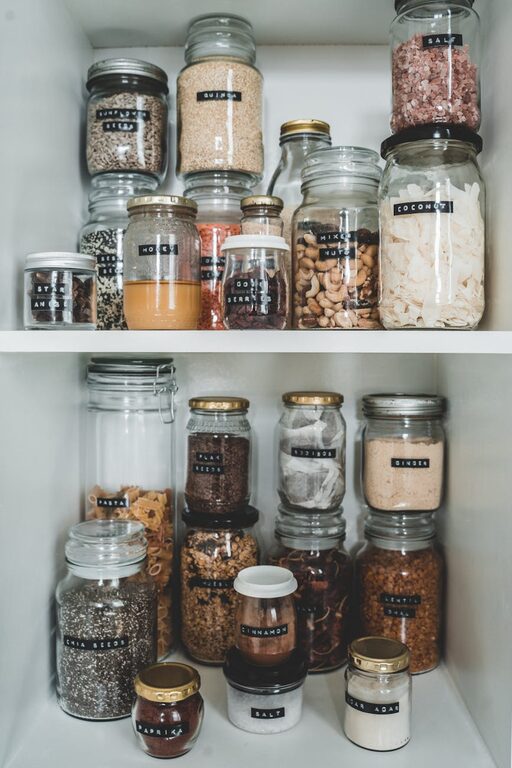
– Use clear containers: Store leftovers and prepped foods in transparent containers to see what you have.
– Control temperature: Keep your fridge between 35–38°F and your freezer at 0°F to preserve food longer.
Use Leftovers Creatively
Leftovers don’t have to be boring or wasted.
– Turn extra vegetables into a stir-fry or soup.
– Use stale bread for croutons or breadcrumbs.
– Make smoothies with overripe fruits.
Label leftovers with dates so you remember to eat them in time.
Understand Expiration Dates
Labels like “best before,” “use by,” and “sell by” can be confusing.
– “Best before” indicates quality, not safety. Food can often be safe to eat after this date.
– “Use by” is about safety—avoid eating after this date.
– Use your senses—look, smell, and taste—to decide if food is still good.
Compost Food Scraps
Not all food waste can be avoided, but food scraps like peels and coffee grounds can be composted.
– Composting reduces landfill waste.
– It produces nutrient-rich soil for your garden.
– You can start a small compost bin even in apartments.
Practice Portion Control
Cooking or serving more than needed often leads to leftover plate waste.
– Serve smaller portions and add more if still hungry.
– When eating out, consider sharing dishes or taking leftovers home.
Donate Surplus Food
If you have non-perishable food items you won’t use, consider donating them to local food banks or community centers. This helps reduce waste and supports those in need.
Regularly Clean Your Pantry and Fridge
Keep track of what you have so food doesn’t get forgotten and expire.
– Organize items by category.
– Place new groceries behind older ones to use older food first.
– Check for expired items weekly and plan meals to use soon-to-expire foods.
Educate Your Household
Involve everyone in your family or housemates in reducing food waste. Shared responsibility and awareness help build lasting habits.
Final Thoughts
Reducing food waste at home is easier than it may seem. With mindful shopping, proper storage, creative cooking, and a bit of planning, you can save money and help the environment. Every small change counts and contributes to a more sustainable future.
Start with one or two of these tips, and gradually incorporate more into your routine. You’ll likely find it rewarding to waste less and enjoy your food more!