
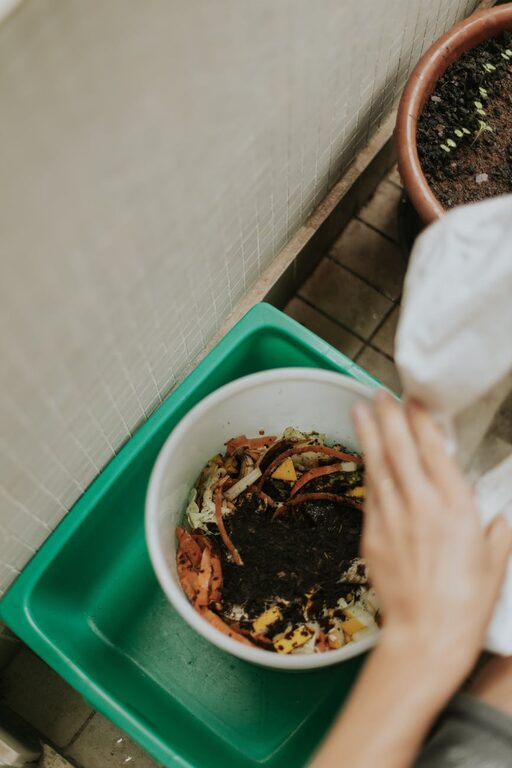
Composting at home is a fantastic way to reduce waste, enrich your garden soil, and contribute positively to the environment. If you’re new to composting, the process might seem a bit overwhelming at first. But with some simple guidelines, you can easily start turning kitchen scraps and yard waste into nutrient-rich compost. This guide will walk you through the basics and provide practical beginner tips to help you succeed.
What is Composting?
Composting is a natural process where organic materials like food scraps, leaves, and grass clippings break down, turning into dark, crumbly soil called humus. This material can improve soil structure, increase moisture retention, and provide nutrients to plants.
Why Compost at Home?
– Reduces the amount of waste sent to landfills
– Saves money on fertilizers
– Helps your garden grow healthier plants
– Minimizes methane emissions from waste decomposition in landfills
– Encourages environmentally friendly habits
Getting Started: Choosing a Compost Bin
There are several options for compost bins suitable for home use:
Types of Compost Bins
– Tumbler Bins: Easy to rotate and aerate, speeding up the composting process.
– Stationary Bins: Simple and often inexpensive; require manual turning.
– DIY Bins: Made from wood pallets or wire mesh, customizable to your space.
Where to Place Your Compost Bin
Choose a dry, shady spot near a water source. This helps maintain moisture without drying out the compost.
What to Compost: Ingredients for Success
Successful composting depends on balancing two key ingredients:
Greens (Nitrogen-Rich Materials)
These provide nitrogen to the compost. Examples include:
– Fruit and vegetable scraps
– Coffee grounds and tea bags
– Fresh grass clippings
– Plant trimmings
Browns (Carbon-Rich Materials)
These add carbon and help with aeration. Examples include:
– Dry leaves
– Straw or hay
– Shredded newspaper or cardboard
– Small branches or twigs
What to Avoid
Avoid adding these items as they can cause odors or attract pests:
– Meat, dairy, and oily foods
– Diseased plants
– Pet waste
– Chemically treated wood or plants
How to Compost: Step-by-Step
1. Layering
Start with a layer of coarse materials, like twigs or straw, to help with drainage. Then alternate layers of greens and browns.
2. Aerating
Turn or mix the compost every week or two to provide oxygen. This speeds up decomposition and prevents odors.
3. Moisture
Keep your compost moist like a damp sponge. If it’s too dry, decomposition slows down. If it’s too wet, it can become smelly.
4. Patience
Depending on conditions, compost can take anywhere from 2 months to 1 year to be ready. Be patient and monitor the progress.
Common Troubleshooting Tips
– Smelly Compost: Usually means too much green material or not enough aeration. Add more browns and turn the pile.
– Pile Not Heating Up: May need more greens or moisture. Add nitrogen-rich scraps and water if dry.
– Pests: Avoid adding meat or oily foods and use a covered bin.
Using Your Compost
Finished compost is dark, crumbly, and earthy-smelling. Use it to:
– Enrich garden beds
– Top-dress lawns
– Pot plants and seedlings
– Mulch around shrubs and trees
Final Thoughts
Starting composting at home is easier than it seems and offers many benefits to your garden and the planet. By following these beginner tips, you can reduce waste and create a sustainable cycle of nourishment for your plants. Happy composting!